
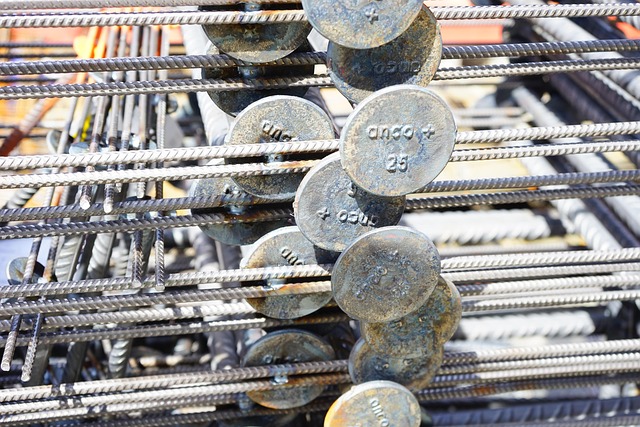
Concrete Reinforcement Mesh
July 16, 2026Exposed Aggregate Adelaide one of the most common things we hear on site is, “Do I really need the mesh?”
Fair question.
The funny thing is, nobody asks that after the driveway’s been poured. They ask before the job starts, while they’re looking at a sheet of steel sitting on the ground wondering why it’s there in the first place.
After more than twenty years building driveways, patios, shed slabs and exposed aggregate across Adelaide, we’ve learnt that reinforcement is one of those things homeowners rarely think about—until something goes wrong.
Then it’s suddenly the most important part of the job.
One thing we’ve noticed is that people often think reinforcement makes concrete stronger.
That’s only half the story.
Concrete is already incredibly strong when you push down on it. Park a family sedan on a properly built driveway and the concrete isn’t bothered. Where concrete struggles is when it gets pulled, bent or forced to deal with movement underneath.
That’s where reinforcement earns its keep.
Think about Adelaide for a minute.
We’ve got long, dry summers that bake the ground hard. Then winter arrives and reactive clay starts swelling again after decent rain. Add gum tree roots chasing moisture, heavy vehicles using the driveway and years of expansion and contraction through changing temperatures, and the slab is constantly being asked to adapt.
Most people assume concrete just sits there.
It doesn’t.
It moves more than you’d think.
Usually those movements are tiny, but over the years they add up.
After doing hundreds of driveways, we’ve learnt that reinforcement doesn’t stop concrete from cracking altogether.
Nothing does.
That surprises people.
Concrete naturally shrinks a little as it cures. It expands and contracts with temperature. The ground underneath changes from one season to the next. Hairline cracks can still happen even when everything has been done properly.
The difference is what happens after that.
Here’s where people get caught out.
Without proper reinforcement, a crack can allow one section of concrete to start behaving differently from the section beside it. Over time that movement becomes more noticeable. Corners can settle. Edges can lift. Parts of the slab stop working together.
Reinforcement helps the concrete stay connected.
Instead of each section doing its own thing, the slab behaves more like one piece.
That’s a big difference over twenty years.
Placement matters just as much as the mesh itself.
We’ve seen jobs where reinforcement was delivered, ticked off on the invoice and then left sitting on the ground while concrete was poured over the top of it. By the end of the day the steel was buried, but it wasn’t actually doing the job it was meant to.
It needs to sit within the slab, not underneath it.
That’s one of those details homeowners almost never see because it’s hidden forever once the concrete is finished.
We see it every day.
Another thing we’ve noticed is that bigger isn’t always better.
Some people assume thicker steel automatically means a better driveway.
Not necessarily.
The reinforcement has to suit the job. A residential driveway carrying normal family vehicles isn’t dealing with the same loads as a commercial loading area. Good concreting isn’t about throwing the biggest materials at every project.
It’s about using the right ones.
The ground plays a role here too.
Adelaide’s reactive clay doesn’t care how expensive the concrete was or how decorative the finish looks. If the soil moves, the slab has to cope with those forces. Reinforcement gives it a much better chance of handling that movement without developing bigger problems later on.
Almost every callback we’ve had started with a combination of poor preparation and unrealistic expectations.
People expected reinforcement to make the slab indestructible.
That’s not its job.
Its job is to help manage the forces concrete experiences over decades of real life.
Cars.
Heatwaves.
Heavy rain.
Expanding soil.
Kids learning to drive.
Trailers.
The occasional removal truck.
Everything adds up.
The funny thing is, once a driveway is finished, nobody ever compliments the reinforcement.
They admire the exposed aggregate.
They like the neat edges.
They notice how well it matches the house.
The steel disappears from the conversation completely.
That’s probably the best outcome.
Because reinforcement is supposed to stay invisible while quietly doing its job year after year.
At Pro Concreting Adelaide, we’ve never judged a slab by how it looked on the day we packed up our tools.
We think about how it’ll look after ten Adelaide summers, ten winters, thousands of cars and plenty of movement in the ground beneath it.
That’s when reinforcement really proves its value.
Not because it stops concrete from behaving like concrete.
Because it helps concrete handle everything Adelaide throws at it without losing the strength homeowners expect.